


















The Karakoram Highway
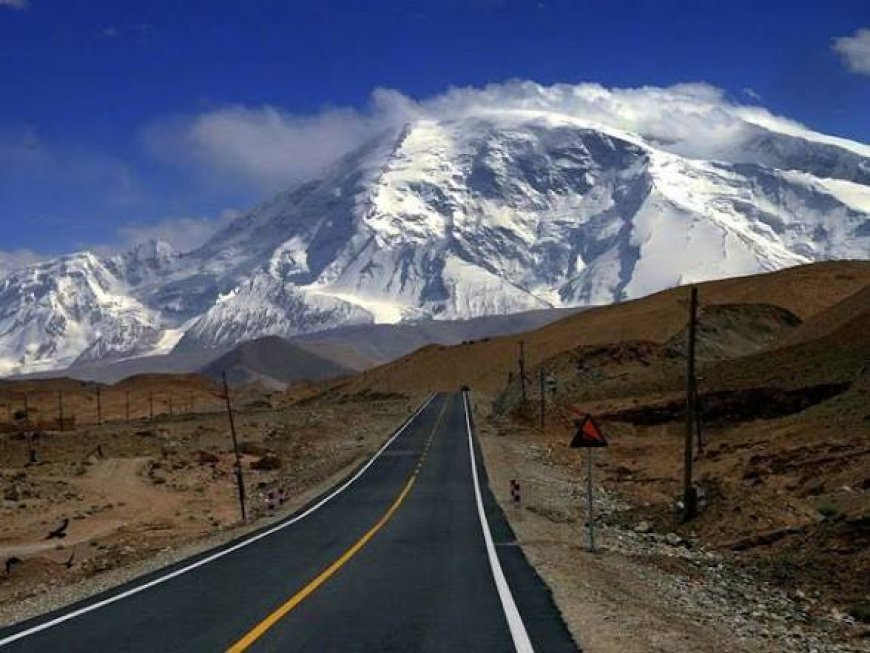
By Ahmed Wali Khan
Travelling on the Karakoram Highway is an experience that one does not easily forget. For tourists, it may be the journey of a lifetime. For those of us who belong to Gilgit-Baltistan, however, the Karakoram Highway, or KKH, is much more than a tourist route. It is a lifeline, a connection with the rest of Pakistan, an economic corridor, a route through history—and, at times, a daily lesson in patience, uncertainty and survival.
Whether travelling in summer or winter, every journey on the KKH is different. Sometimes it is exciting, sometimes exhausting and sometimes unexpectedly adventurous. The changing landscape, weather and terrain ensure that no journey feels exactly the same. One moment you may be travelling beside the powerful Indus River; a few hours later, you may find yourself surrounded by some of the world's highest mountains, glaciers and deep valleys.
For travellers, the KKH offers far more than transportation. It is an open classroom of geography, history, culture and environmental change.
A Highway Built Against the Mountains
Construction of the Karakoram Highway began in 1962, was completed in 1979 and the route was later opened to the public. It remains one of the greatest engineering achievements in this part of the world.
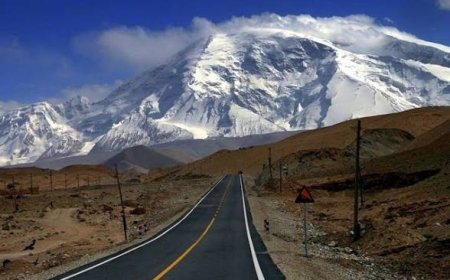
The highway connects Pakistan with China through the Khunjerab Pass, crossing Khyber Pakhtunkhwa and Gilgit-Baltistan before reaching China's Xinjiang region. At Khunjerab, the road reaches an elevation of approximately 4,700 metres, making it one of the highest international paved road routes in the world.
But the KKH was built at an enormous human cost.
Hundreds of Pakistani and Chinese workers lost their lives during its construction, many due to landslides and falls in extremely difficult mountain conditions. The Chinese cemetery in Danyor, Gilgit, remains a powerful reminder of the sacrifices made to build this extraordinary road.
For Gilgit-Baltistan, the KKH changed history. Before reliable road access, the region remained isolated for long periods, and travelling to other parts of the country was an extremely difficult undertaking. Older mountain routes, including the historic Burzil route towards Kashmir, were once among the few available connections.
Today, the KKH is an all-weather connection for much of the region, although calling it an "all-weather road" does not mean that the journey is always safe or predictable.
The Beauty of an Unpredictable Journey
Anyone who has travelled regularly on the KKH understands one simple reality: you can never be completely certain when you will reach your destination.
From the Kohistan region towards Gilgit, travellers frequently face the possibility of landslides, falling rocks, flash floods and long traffic delays. During the monsoon season, the situation can become even more unpredictable.
A road blockage can sometimes become an unexpected adventure when travelling with friends. People may share food, stories and long conversations while waiting for the road to reopen. But the same situation can quickly become a nightmare for families, women, children, elderly passengers or people with medical needs.
Once the road is blocked, there is often no easy alternative route. Turning back may not be possible, and accommodation near the blockage can be extremely limited. Many travellers are forced to spend the night—or even several nights—inside their vehicles.
I have experienced this uncertainty personally.
In the early 1990s, I was stranded for two nights near Chattar Plain Top because of heavy snowfall. At that time, the journey itself was very different from today's travel experience. Later, in 2014, I spent an unexpected night in the Pattan area after a landslide blocked the road shortly before sunset. The weather was clear, but the road closure was enough to completely change the journey.
These experiences may become stories with time, but when you are stuck on a mountain road without accommodation, food, toilets or reliable information, the reality is very different.
Taato Pani: A Beautiful Place and a Dangerous Reality
One of the most challenging sections of the KKH is the area around Taato Pani, near Chilas.
The name itself refers to the natural hot water springs found in the area. Steam rises from the mountainside, creating a unique and dramatic landscape beside the Indus River. From a tourism perspective, it is fascinating. From a road-safety perspective, however, the area has remained a serious concern for decades.
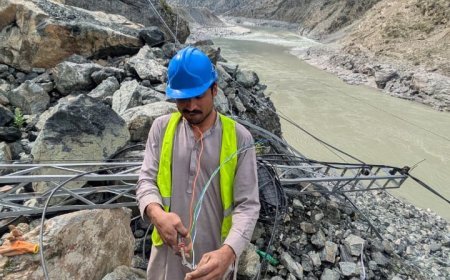
The slopes around this section are fragile and unstable. Rockfalls, landslides and rain-related debris regularly threaten the highway. During rainfall, the road can become extremely difficult to cross. In some places, the available road width is reduced by landslides, while mud and water can create dangerous driving conditions.
Imagine crossing a narrow mountain section in heavy rain, with unstable slopes above and the possibility of flash flooding below. For many regular travellers, this is not imagination—it is a familiar reality.
Every year, travellers face serious risks on such sections of the highway. The question that continues to concern many local people is: Why has a permanent and long-term engineering solution not yet been developed for some of the most dangerous sections of this strategically important highway?
Temporary clearance is necessary, but climate change demands that we begin thinking beyond temporary solutions.
Climate Change Is Changing the KKH
The Karakoram Highway was always exposed to natural hazards. Landslides, snowfall and rockfalls are part of mountain geography. However, changing weather patterns are increasing uncertainty.
Intense rainfall, cloudbursts, flash floods and unstable mountain slopes are becoming more serious concerns across northern Pakistan. A single extreme weather event can block a road, damage bridges, isolate communities and disrupt tourism and trade.
Climate change is no longer only an environmental discussion for scientists and policymakers. For people travelling on the KKH, it has become a practical reality.
When a cloudburst blocks a road, when a flash flood damages infrastructure or when unusual rainfall triggers landslides, the consequences are immediate. Tourists are stranded, local communities lose access, businesses suffer and emergency services face enormous challenges.
This requires a new approach to mountain road management.
We need better weather forecasting, real-time road information, hazard monitoring and early-warning systems. Travellers should not have to depend on rumours, social media posts or roadside conversations to discover whether a major section of the highway is blocked.
A modern information system could provide regular updates on:
Weather conditions
Landslide risks
Road blockages
Expected reopening times
Alternative routes
Emergency accommodation
Fuel and food availability
For international tourists unfamiliar with mountain travel, such information could be especially important.
Tourism Must Be Safe as Well as Beautiful
The KKH has become one of Pakistan's greatest tourism assets. Domestic tourism has increased significantly, and international travellers continue to be attracted by the dramatic landscapes of Gilgit-Baltistan.
However, promoting tourism without improving safety and facilities is not sustainable tourism.
A visitor travelling from Islamabad towards Gilgit, Hunza or Khunjerab should have access to reliable information and basic facilities along the route.
One of the most overlooked issues is the shortage of clean and accessible public toilets and rest areas. This is particularly difficult for women, families, elderly travellers and people travelling long distances.
For a highway that carries tourists, commercial traffic, local passengers and international travellers, basic facilities should not be considered a luxury.
Tourism infrastructure must include:
Safe rest areas
Clean public toilets
Drinking water
Emergency medical assistance
Clearly marked danger zones
Reliable mobile connectivity
Road-condition information
Designated emergency parking areas
Basic accommodation near major vulnerable sections
Road safety and tourism development must go together.
A Road That Has Changed With Time
The KKH today is very different from the road that existed decades ago.
I recently had a detailed discussion with Mr. Musarat Wali, one of the senior tour operators of the region, who first travelled on the KKH in 1972. At that time, much of the road was not blacktopped, it was narrow and difficult, and travelling to Gilgit could take approximately two days, often requiring an overnight stay in Besham.
Later, he organised jeep safaris along the KKH and witnessed the transformation of the route over several decades.
Today, there are tunnels, modern bridges and major engineering projects that have made many sections safer and more comfortable. Towns such as Besham have developed, and travellers can now find hotels, restaurants and other services that were once extremely limited.
There was a time when travellers could spend hours on the road without seeing much traffic coming from the opposite direction. Today, the highway carries cars, tourist vehicles, jeeps, buses, trucks, heavy machinery and long-wheelbase commercial vehicles.
The KKH has become busier—but also more complicated.
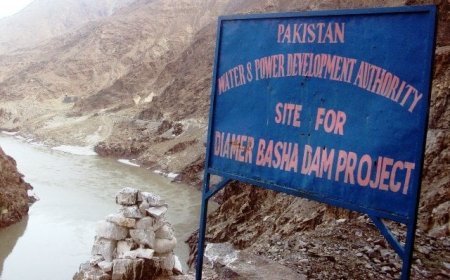
Major infrastructure projects, including the Dasu Hydropower Project in Khyber Pakhtunkhwa and the Diamer-Bhasha Dam project in Gilgit-Baltistan, have added construction traffic and logistical pressure to parts of the route. These projects are strategically important for Pakistan, but traffic management around construction zones must also consider the needs of ordinary travellers and tourists.
A Journey Through Three Great Mountain Ranges
One of the most remarkable features of the KKH is the geographical diversity it offers.
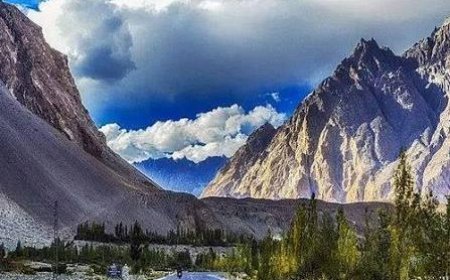
Near the Jaglot region, travellers witness one of the world's most extraordinary mountain landscapes, where the Karakoram, Himalaya and Hindu Kush regions meet.
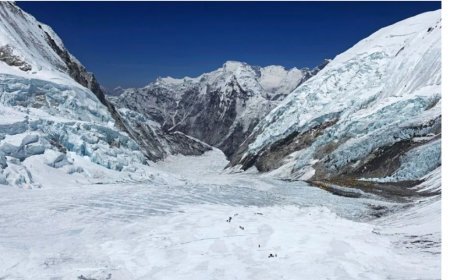
Along the journey, the traveller encounters the Indus River, Gilgit River and Hunza River, as well as spectacular valleys and dramatic geological formations.
The highway also provides views of famous mountains, including:
Nanga Parbat
Rakaposhi
Diran
Shispare
Ultar Peak
Tupopdan, also known as the Cathedral Peaks near Passu
Several glaciers are also visible or accessible from areas connected to the highway, including Minapin Glacier, Passu Glacier, Ghulkin Glacier and the Khunjerab Glacier.
Attabad Lake, created after the devastating 2010 landslide in Hunza, has itself become a reminder of how powerful mountain environments can be. What began as a disaster later became one of the most photographed landscapes in northern Pakistan.
The KKH teaches us an important lesson: in the mountains, beauty and danger often exist side by side.
A Highway Through Human History
The Karakoram Highway is not only a modern engineering route. The region it crosses has been used by traders, pilgrims, travellers and communities for thousands of years.
Along parts of the Indus Valley, thousands of ancient rock carvings and petroglyphs can still be found. These images provide evidence of the people and cultures that passed through these mountains long before modern roads existed.
Animals, hunting scenes, human figures and ancient symbols are carved into rocks along historic routes.
Unfortunately, many travellers pass these sites without knowing they exist.
Eco-tourism and cultural tourism can play an important role in protecting this heritage. Information centres, properly managed viewing areas and educational tourism could help generate awareness while protecting fragile archaeological sites.
Tourism should not simply encourage people to take photographs and move on. It should help visitors understand where they are travelling.
The KKH and the Future of Eco-Tourism
The Karakoram Highway has the potential to become one of the world's great eco-tourism routes.
But eco-tourism requires responsibility.
More tourists mean more vehicles, more waste, more pressure on water resources and more construction. If development continues without proper planning, the very environment that attracts visitors could be damaged.
We must protect the rivers, mountains, glaciers, wildlife and local cultures that make this journey unique.
The KKH should be developed as more than a transport corridor. It can become a model for sustainable mountain tourism.
This means encouraging travellers to:
Avoid littering and plastic waste.
Respect local communities and cultures.
Use authorised guides and tourism services.
Avoid unnecessary disturbance to wildlife.
Follow weather and road-safety advisories.
Reduce unnecessary vehicle use in environmentally sensitive areas.
Support local businesses and community-based tourism.
At the same time, government agencies and road authorities must take responsibility for environmentally sensitive planning.
Climate-resilient engineering, slope stabilisation, improved drainage, hazard mapping and regular monitoring should become part of long-term highway management.
The Need for Better Information and Road Safety
One of the biggest challenges for first-time travellers is the lack of reliable information.
A tourist may know that Hunza is beautiful or that Khunjerab is one of the highest border crossings in the world, but may have little understanding of the risks involved in travelling through a high mountain environment.
Road conditions can change within hours.
Rain in one valley can trigger a landslide. A cloudburst can damage a bridge. Heavy snowfall can close a high-altitude section. Construction activity can delay traffic.
Pakistan needs a coordinated and easily accessible KKH Travel Information and Road Safety System.
Such a system could use mobile applications, official websites, roadside electronic boards and social media to provide real-time information.
It should include:
"Before you travel, know your road."
This simple principle could prevent unnecessary risks and help travellers plan accommodation, fuel, food and emergency arrangements.
The system should be developed jointly by relevant road authorities, disaster management institutions, tourism departments, district administrations and weather agencies.
A Road of Adventure, But Not a Road Without Responsibility
The Karakoram Highway will always be an adventure.
That is part of its identity.
From the heat of the lower valleys to the cold winds of Khunjerab, from the mighty Indus to the Hunza River, from ancient rock carvings to modern tunnels, the journey is constantly changing.
The KKH is not simply a road.
It is a journey through Pakistan's geography, history and cultural diversity. It connects communities, supports trade, enables tourism and provides access to some of the world's most remarkable mountain landscapes.
But as climate change increases the frequency and intensity of extreme weather events, we must recognise that the future of the KKH cannot depend only on emergency clearance after disasters occur.
We need long-term planning.
We need climate-resilient infrastructure.
We need better road safety.
We need reliable information for travellers.
We need clean rest facilities, especially for women and families.
And above all, we need to protect the fragile mountain environment through which this extraordinary highway passes.
For those of us who call Gilgit-Baltistan home, the Karakoram Highway is part of our everyday life. We travel on it for work, education, medical treatment, business and family.
For tourists, it may be a once-in-a-lifetime adventure.
For Pakistan, it is a strategic connection.
And for future generations, it must become a lesson in how development, tourism, road safety and environmental responsibility can travel together.
The Karakoram Highway may be known as one of the world's great roads—but its greatest journey may still be ahead of it.
-----
The author is a development entrepreneur, Eco-Tourism & climate change Advocate who is based in Gilgit, Pakistan
What's Your Reaction?
 Like
0
Like
0
 Dislike
0
Dislike
0
 Love
0
Love
0
 Funny
0
Funny
0
 Angry
0
Angry
0
 Sad
0
Sad
0
 Wow
0
Wow
0