






Major Shia Organizations Convene in Gilgit Over Recent Tragedies
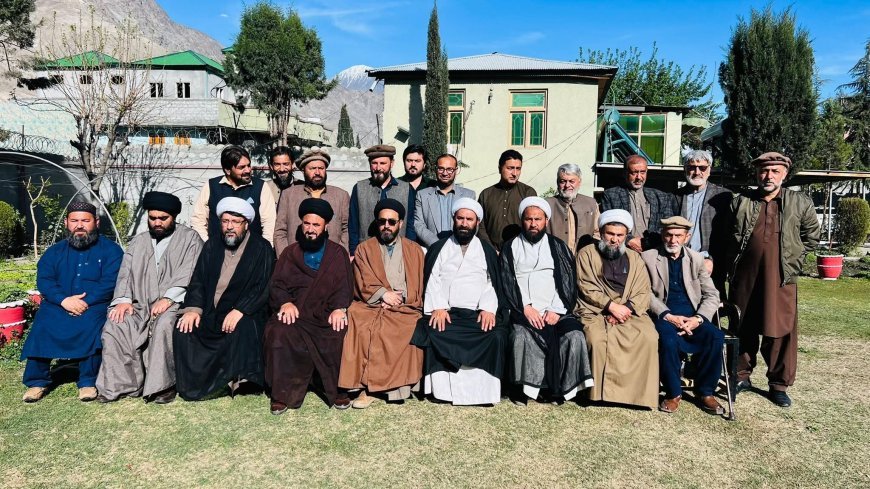
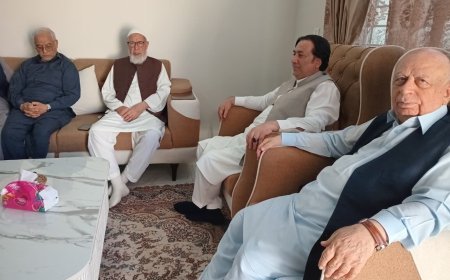
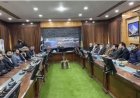
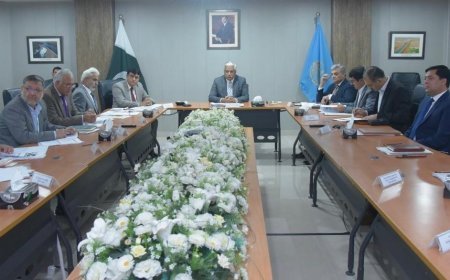
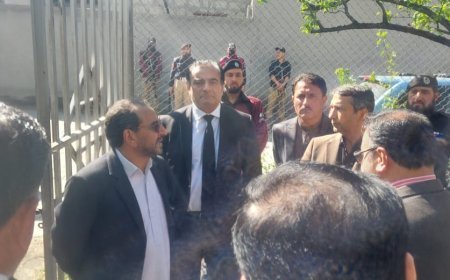
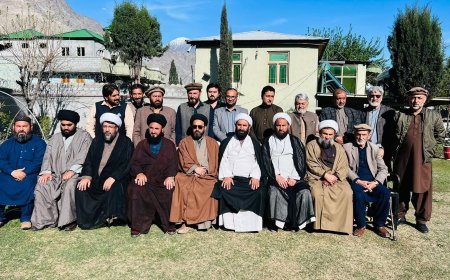
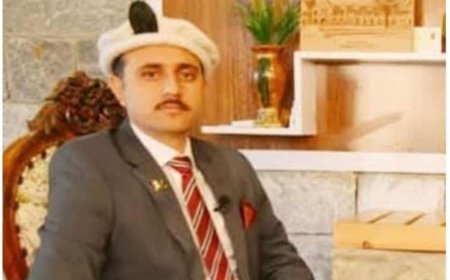
Gilgit — Leading Shia organizations of Gilgit-Baltistan convened a joint meeting at the Central Imamia Mosque, Gilgit, under the chairmanship of Syed Rahat Hussain Al-Hussaini, a prominent cleric and leader of the Shia community in the region.
The session brought together the Central Anjuman Imamia Gilgit, Anjuman Imamia Baltistan, Anjuman Imamia Astore, and the President of Hayat-e-Aimma Juma wa Jamaat Gilgit, alongside divisional presidents, cabinet members, and senior scholars.
The meeting was held against the backdrop of the assassination of Ayatollah Syed Ali Khamenei, described by participants as a “wound to the heart of Islam.”
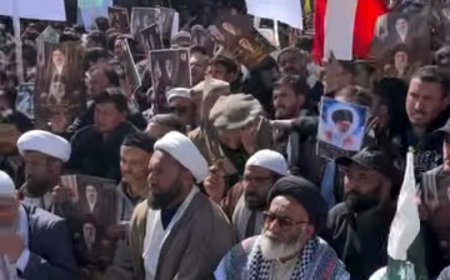
The leaders emphasized that his martyrdom had plunged the global Shia community into mourning and triggered widespread anti-imperialist protests across Pakistan.
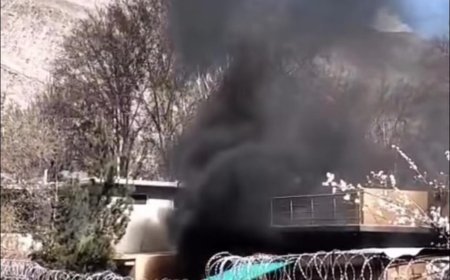
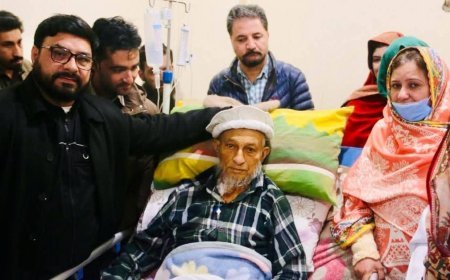
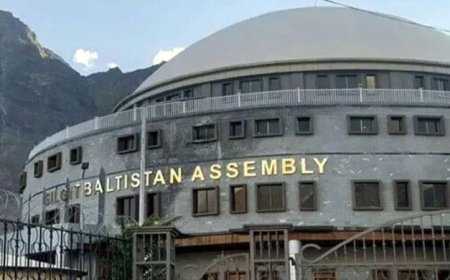
In Gilgit-Baltistan, however, demonstrations spiraled into tragedy, with several young protesters killed and injured. The government property being set ablaze added to the turmoil.
Speakers strongly condemned the use of "live ammunition against unarmed mourners, many of them teenagers and young adults between the ages of 12 and 24." They accused law enforcement agencies of negligence and brutality, arguing that authorities failed to anticipate the scale of grief and instead responded with excessive force. “Rather than healing wounds, the state poured salt on them,” the declaration stated, adding that the Shia community of Gilgit-Baltistan did not deserve such treatment given its historic sacrifices for Pakistan’s defense.
The gathering also expressed alarm over recent remarks attributed to senior officials, including discussions of trying youth in military courts and suggestions of migration to Iran.
Despite these grievances, the statement reaffirmed the Shia community’s loyalty to Pakistan’s armed forces, recalling sacrifices during the wars of 1965, 1971, and Kargil. Thousands of martyrs and veterans, leaders noted, stand as proof of their commitment. However, they stressed that rebuilding mutual trust requires serious attention to their concerns.
The meeting expressed sorrow over damage to government and military installations but underscored that human life must remain paramount.
In a gesture of unity, the gathering extended gratitude to Sunni, Ismaili, Noor Bakhshi, and Ahl-e-Hadith communities, as well as political and social leaders, who offered condolences in person and through media platforms. It pledged to continue efforts to strengthen Muslim solidarity in Pakistan and resist American and Israeli influence.
---
Charter of Demands
1. Judicial Commission investigations into the March 1 incidents must remain free from external pressure and be conducted at the district level.
2. No arrests should be made until investigations are complete.
3. Provincial government must compensate families of martyrs under existing laws, provide Rs. 5 million to each injured individual, and offer jobs to families of the deceased.
4. Military courts must not be established in Gilgit-Baltistan, given its disputed status.
5. Deployment of Frontier Corps (FC) should be withdrawn, as it reflects distrust of local police and GB Scouts.
6. Law enforcement agencies must formally apologize to families of martyrs.
7. Security officials responsible for ordering live fire on mourners must be investigated under the Anti-Terrorism Act.
What's Your Reaction?
 Like
1
Like
1
 Dislike
0
Dislike
0
 Love
0
Love
0
 Funny
0
Funny
0
 Angry
0
Angry
0
 Sad
0
Sad
0
 Wow
0
Wow
0