
















Gilgit Baltistan: Developmentally Overlooked
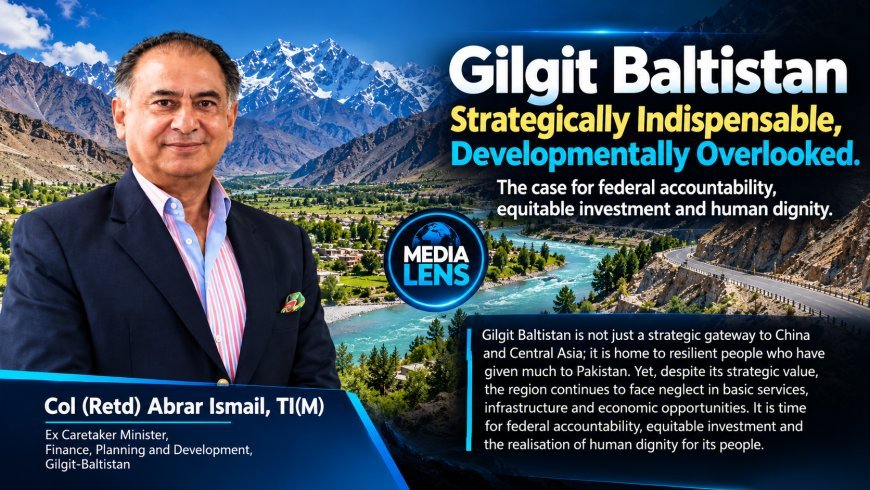
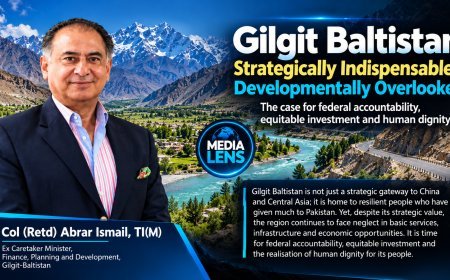
By Col retd Abrar Ismail, TI(M)
Gilgit Baltistan occupies a position of extraordinary strategic importance, connecting Pakistan with China and providing access to wider regional networks linking South Asia and Central Asia. Its history, geography and role in regional connectivity make it central to Pakistan’s national interests.
On 1 November 1947, the people of Gilgit rose against Dogra rule, marking a defining chapter in the region’s history. Their sacrifices and contribution to Pakistan’s national story deserve recognition through meaningful development, equal opportunity and lasting improvements in their quality of life.
Yet, more than seven decades later, a troubling contradiction persists. Gilgit Baltistan is central to Pakistan’s strategic calculations, but its people continue to face serious deficiencies in the sectors of power, roads, healthcare, education, employment and economic opportunity.
Behind every neglected road is a human story. A pregnant woman struggling to reach a hospital. A critically ill patient travelling for hours to access specialised treatment. A student whose education is disrupted by distance and difficult weather and no electricity. A farmer unable to transport produce to market. A young graduate compelled to leave home because meaningful employment is scarce.
These are not merely geographical inconveniences. They are issues of human dignity, public service delivery and equitable citizenship.
CPEC ; Promise versus reality,
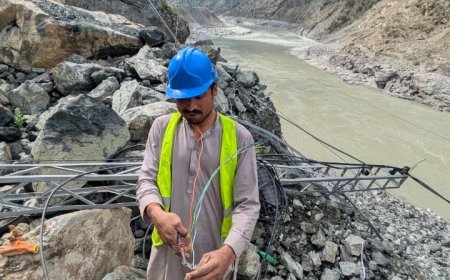
The China Pakistan Economic Corridor offered an opportunity to transform Gilgit Baltistan into a centre of trade, tourism, hydropower and investment. However, absence of electricity, poor road conditions, slow progress on the Astore Valley Road, the absence of proposed tunnels along the Jaglot Skardu Road, and the continued lack of operational economic zones raise serious questions about development priorities in the region.
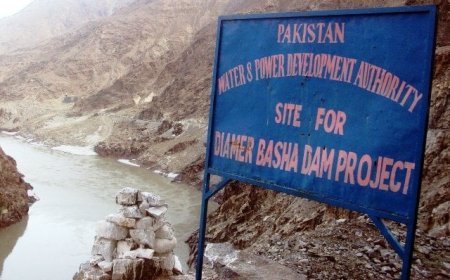
The proposed run of the river 7,000 MW Bunji Hydropower Project also requires a transparent assessment of its present status, outstanding approvals, financing arrangements and implementation prospects.
The frequently cited CPEC investment figure of approximately US$46 billion related to an earlier phase and covered projects across Pakistan. It would therefore be inaccurate to assume that the entire amount was a single pool of public money that could simply have been allocated to Gilgit Baltistan. Nevertheless, the distribution of investment, the selection of projects and the benefits delivered to communities along the corridor merit legitimate public scrutiny.
Federal responsibility must mean measurable accountability
The federal government cannot reasonably claim the strategic benefits of Gilgit Baltistan’s geography while treating its development needs as a secondary concern. National strategic interests bring corresponding responsibilities; to ensure that connectivity projects benefit local communities, that public commitments are followed through, and that infrastructure investment translates into tangible improvements in people's lives and their reactions to government policies.
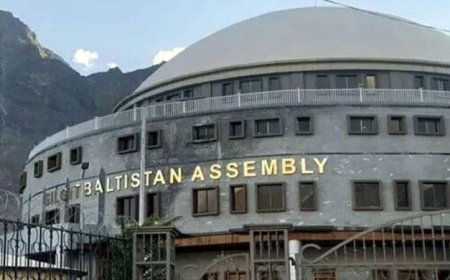
Gilgit Baltistan’s constitutional and administrative arrangements, limited fiscal capacity and dependence on federal decisions make this question particularly important. Where major projects require federal approval, financing or coordination, responsibility for delays must not disappear into a maze of bureaucracy/departments, committees and changing priorities.
Every major delayed project should have an identifiable responsible authority, a published explanation for the delay, a revised completion schedule and a transparent account of the funding required. Citizens should not have to rely on repeated announcements to determine whether a project is actually progressing.
The federal government, working with the Gilgit Baltistan administration and relevant project authorities, should therefore;
Publish a federal development scorecard .
List major road, hydropower and economic zone projects, their approved budgets, funds released and spent, implementation status, outstanding decisions and revised completion dates.
Commission independent project reviews; Establish the actual causes of delays, cost overruns and incomplete work, with findings made public and corrective measures assigned to responsible agencies.
Resolve critical road bottlenecks; Complete engineering and financial reviews of the proposed Jaglot Skardu Road tunnels and accelerate the Astore Valley Road through funded milestones and transparent procurement.
Set a decision timetable for Bunji dam; Publish the status of technical, environmental, financial and social assessments, and identify the decisions necessary to advance the proposed hydropower project.
Make economic zones operational; Set deadlines for land development, utilities, investor facilitation and business operations, measuring success by functioning enterprises and jobs created for local residents.
Institutionalise public oversight: Require quarterly progress disclosures, accessible project records and regular consultations with elected representatives, local communities and civil society.
These are reasonable demands of public administration, not political favours. Accountability does not mean presuming misconduct or blaming one institution for every delay. It means establishing facts, identifying responsibility, explaining decisions and correcting failures.
Development must be measured in human lives
The federal government should assess progress not only through expenditure and construction statistics, but through better access to hospitals, safer journeys, improved education, reliable electricity, stronger local businesses and employment opportunities that allow young people to build their futures at home.
Gilgit Baltistan’s difficult terrain, high construction costs and vulnerability to natural disasters are genuine constraints. They demand careful planning, climate resilient engineering and sustained funding. They cannot, however, justify the absence of transparent priorities, credible timelines or effective oversight.
Gilgit Baltistan does not seek development at the expense of other provinces. It seeks equitable opportunities, institutional recognition and a meaningful share in the benefits generated by Pakistan’s national development and strategic partnership with China.
The fundamental question is no longer whether Gilgit Baltistan matters strategically. It is whether the state’s development priorities adequately reflect the needs of the people whose homeland carries that strategic importance.
CPEC’s success should not be measured solely by trade routes, investment announcements or infrastructure passing through the region. It should also be measured by the lives improved along the way.
Strategic importance must bring public responsibility. Federal commitments must carry deadlines. Public expenditure must invite scrutiny. And development must deliver results that ordinary citizens can see and feel.
Gilgit Baltistan cannot remain strategically indispensable yet economically and socially peripheral. The time has come to replace indefinite promises with measurable commitments, transparent implementation and accountable delivery.
Strengthen the opening with a sharper thesis
Add a clear human cost transition
Make the recommendations more locally specific
What's Your Reaction?
 Like
0
 Dislike
0
 Love
0
 Funny
0
 Angry
0
 Sad
0
 Wow
0